
1
/
of
1
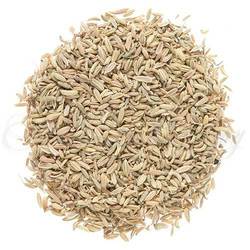
Fennel Seed Organic
Fennel Seed Organic
100g
Memories of Asian curry with a smooth licorice finish. Perfect as an after dinner digestive.
Luxury Ingredients: organic fennel seeds
Small Batch Blended and Packed in: Canada
Tea(s) From: Egypt
Region(s): Nile River Delta
Antioxidant Level: Low
Caffeine Content: None - Caffeine Free Herb
INFORMATION:
While fennel (Latin: Foeniculum vulgare) may not be a widely used ingredient in North American cuisine, the herb has long, long roots in other parts of the world. (No pun intended.) In fact, the herb counts as one of the nine components in the Nine Herbs Charm, a spell-like Old English charm from the 10th century. An old poem about the charm reads:
A snake came crawling, it bit a man.
Then Woden took nine glory-twigs,
Smote the serpent so that it flew into nine parts.
There apple brought this pass against poison,
That she nevermore would enter her house
"Woden", in case you?re wondering, is a pre-Christian Anglo-Saxon deity, a footnote that can well attest to the age of this herb. Interestingly, as the poem mentions, fennel (one of the "glory-twigs") is part of a concoction that was said to protect against snake poison, a quality it is also said to possess by practitioners of ancient Chinese medicine. They believed fennel to be likewise beneficial for the kidneys, lower abdominal pain, indigestion and reduced appetite among other things.
Still, the big question for our purposes is, how does fennel taste? The answer is, by the power of Woden... lovely! When brewed on its own, fennel tea imparts distinctive notes of licorice tempered by a sweet, slightly bitter character. As a component of tea and herbal tea blends, you can expect this same slight sweetness and licorice notes to round out the cup and add some lingering depth on the tongue. Enjoy one of the world's oldest, and most celebrated herbs today.
While fennel (Latin: Foeniculum vulgare) may not be a widely used ingredient in North American cuisine, the herb has long, long roots in other parts of the world. (No pun intended.) In fact, the herb counts as one of the nine components in the Nine Herbs Charm, a spell-like Old English charm from the 10th century. An old poem about the charm reads:
A snake came crawling, it bit a man.
Then Woden took nine glory-twigs,
Smote the serpent so that it flew into nine parts.
There apple brought this pass against poison,
That she nevermore would enter her house
"Woden", in case you?re wondering, is a pre-Christian Anglo-Saxon deity, a footnote that can well attest to the age of this herb. Interestingly, as the poem mentions, fennel (one of the "glory-twigs") is part of a concoction that was said to protect against snake poison, a quality it is also said to possess by practitioners of ancient Chinese medicine. They believed fennel to be likewise beneficial for the kidneys, lower abdominal pain, indigestion and reduced appetite among other things.
Still, the big question for our purposes is, how does fennel taste? The answer is, by the power of Woden... lovely! When brewed on its own, fennel tea imparts distinctive notes of licorice tempered by a sweet, slightly bitter character. As a component of tea and herbal tea blends, you can expect this same slight sweetness and licorice notes to round out the cup and add some lingering depth on the tongue. Enjoy one of the world's oldest, and most celebrated herbs today.
Metropolitan Tea Company